
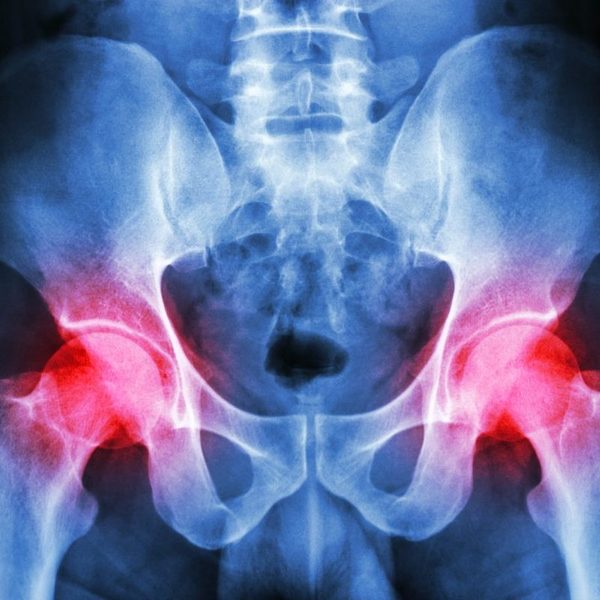
Factors Causing Pelvic pain
Find out the various factors responsible for pelvic pain
About this Accelerator
Introduction
Pelvic pain is a pain in the lowest part of your abdomen and pelvis. The term pelvic pain is most commonly used to refer to pain arising from reproductive organs (uterus, fallopian tubes, ovaries, vagina) in women.
Several types of diseases and conditions can cause pelvic pain. Dr. Sushma Chawla says pelvic pain can result from more than one condition. Depending on its source, pelvic pain can be dull or sharp; it might be constant or off and on (intermittent); and it might be mild, moderate or severe.
The pain might be steady, or it might come and go. It can be a sharp and stabbing pain in a specific spot or a dull pain that is spread out. Pelvic pain can occur suddenly, sharply and briefly (acute) or over the long term (chronic).
What causes pelvic pain?
In women, pelvic pain may be a sign of menstrual cramps, ovulation, or a gastrointestinal issue such as food intolerance. It can also develop due to a more serious problem.
Possible causes of pelvic pain in women suggested by Gynecologist in Lajpat Nagar Jalandhar include:
- Menstrual pain and cramps
Menstrual pain and cramping are a common cause of pelvic pain in women. Over half of women who menstruate will experience some pain for at least 1–2 days each cycle.
Menstrual cramping will typically occur immediately before a woman starts her period, as the uterus contracts and sheds its lining. The pain may feel similar to a muscle spasm or a jabbing pain.
- Ovulation
If a woman feels a painful sensation on one side of her pelvis in the middle of her menstrual cycle, she may be experiencing mittelschmerz or painful ovulation.
When a woman ovulates, the ovaries release an egg, along with some other fluid. The egg will then travel down the fallopian tube and into the uterus. The fluid released by the ovary can spread within the pelvic area, sometimes, causing irritation in the pelvis and leading to pain.
- Irritable bowel syndrome
Irritable bowel syndrome (IBS) is a gut disorder that causes pain and symptoms, including constipation, diarrhea, and bloating.
- Appendicitis
Appendicitis is inflammation in the appendix, which is a small organ in the lower-right abdomen. Anyone experiencing appendicitis can have a sharp pain in their lower-right abdomen, along with other symptoms
- Interstitial cystitis
Interstitial cystitis is referred for a woman to experience ongoing bladder inflammation that has no known cause, and doctors are currently unsure why it happens.
Interstitial cystitis can cause pelvic pain and symptoms such as painful urination, needing to urinate frequently, and pain during sex.
- Pelvic inflammatory disease
Pelvic inflammatory disease (PID) is an infection in the womb that can damage the surrounding tissue. PID can arise if bacteria from the vagina or cervix enter the womb and take hold. PID increases a woman's risk of infertility.
- Endometriosis
Endometriosis occurs when the endometrium, or tissue that lines the inside of the uterus, grows outside of the womb.
Endometriosis may be a source of chronic, long-lasting pelvic pain in some women.
- Cystitis or urinary tract infections
Cystitis refers to inflammation in the bladder due to a bacterial infection. This happens because vaginal, rectal, or skin bacteria can enter the urethra and make their way to the bladder.
A urinary tract infection (UTI) is one that can occur anywhere in the system, while cystitis occurs only in the bladder.
- Sexually transmitted infections
A sexually transmitted infection can cause pelvic pain. Gynecologist in Jalandhar says pelvic pain may indicate the presence of a sexually transmitted infection (STI) such as gonorrhea or chlamydia. STIs occur in people who are sexually active.
- Urinary stones
Stones in the urinary tract consist of salts and minerals, such as calcium, that the body has trouble getting rid of in the urine.
These minerals can build up and form crystals in the bladder or kidneys that often cause pain in the pelvis or lower back.
- Pelvic Adhesions
An adhesion is scar tissue that occurs inside the body and connects two tissues that should not be connected. This may result in pain, as the body struggles to adapt to the adhesion
- Ovarian cysts
Ovarian cysts occur when the ovaries fail to release an egg. The follicle holding the egg may not open completely to release the egg, or it may become clogged with fluid.
When this happens, a growth called a cyst form in the area, which may cause bloating, pressure, or pelvic pain on the side of the body with the cyst.
- Ectopic pregnancy
An ectopic pregnancy occurs when an embryo implants itself anywhere outside of the uterus and starts growing.
A woman may feel very sharp pain, and cramps in her pelvis, which are usually focused on one side.
- Uterine fibroids
Fibroids are lumps of muscle and fibrous tissue within the uterus. While they are noncancerous and do not tend to cause symptoms, these growths can be a source of pain. They may cause discomfort in the pelvis or lower back or pain during sex.
- Tumor
In rare cases, a malignant growth in the reproductive system, urinary tract, or gastrointestinal system may be the reason for pain in the pelvis.
Finding the underlying cause of chronic pelvic pain can be a long process, and in some cases, a clear explanation may never be found.
With patience and open communication, however, you can consult a doctor and can develop a treatment plan that helps you live a full life with minimal discomfort.
Locations
- Delhi, India
Industries
Healthcare Services , - show less