
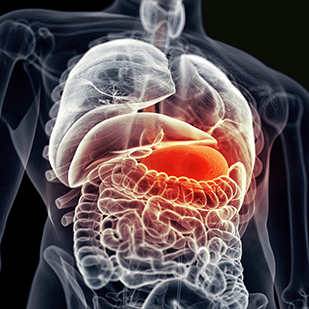
Dyspepsia - Lifestyle Changes & Medications That Can Help!
Find out the various symptoms and causes of dyspepsia and also the methods that can help in treatment
About this Accelerator
Introduction
Dyspepsia, also known as indigestion, is described as an uncomfortable feeling or pain in the upper abdomen. The pain might come and go, but it's there most of the time. You might feel too full after a meal or too full to finish a meal. People of any age can get dyspepsia. Dyspepsia is a general term for stomach discomfort rather than a specific disease.
The term refers to a group of symptoms that often include bloating, discomfort, nausea, and burping. In the majority of cases, indigestion is linked to eating or drinking. Dr. Lata Prasad says that the symptoms fluctuate in frequency and intensity usually over many months or years.
What causes dyspepsia?
Dyspepsia is usually caused by the lifestyle of an individual and the foods they eat. It can also be related to an infection or other digestive conditions. Often, dyspepsia is caused by a stomach ulcer or acid reflux disease.
If you have acid reflux disease, stomach acid backs up into your esophagus (the tube leading from your mouth to your stomach). This causes pain in your chest. Your doctor may do some tests to find out if you have an ulcer or acid reflux disease. Some anti-inflammatory medicines can cause dyspepsia.
What Are the Symptoms of dyspepsia?
The symptoms are normally triggered by stomach acid coming into contact with the mucosa. Stomach acids break down the mucosa, causing irritation and inflammation. This triggers the uncomfortable symptoms of indigestion.
The symptoms of dyspepsia can include:
- Burning in the stomach or upper abdomen
- Abdominal pain
- Bloating (full feeling)
- Belching and gas
- Nausea and vomiting
- Acidic taste
- Growling stomach
Gastroenterologists in Hyderabad says people often have heartburn (a burning sensation deep in the chest) along with indigestion. But heartburn itself is a different symptom that may indicate another problem.
How is dyspepsia treated?
Because indigestion is a symptom rather than a disease, treatment usually depends upon the underlying condition causing indigestion. Dyspepsia is often mild and can be managed by dietary and lifestyle changes before complications develop.
Lifestyle changes
If symptoms are mild and infrequent, lifestyle changes will probably ease them.
Lifestyle changes may include:
- Avoiding foods that trigger indigestion
- Eating five or six small meals a day instead of three large meals
- Reducing or eliminating the use of alcohol and caffeine
- Avoiding certain pain relievers, such as aspirin, ibuprofen (Advil, Motrin IB, others) and naproxen sodium (Aleve)
- Finding alternatives for medications that trigger indigestion
- Controlling stress and anxiety
Medications
If your indigestion persists, medications may help. Over-the-counter antacids are generally the first choice. Examples include Alka-Seltzer, Maalox, Rolaids, Riopan, and Mylanta. OTC medicines that do not need a prescription.
Other options include:
- H-2-receptor antagonists:
These reduce stomach acid levels and last longer than antacids. However, antacids act more quickly. Examples include Zantac, Tagamet, Pepcid, and Axid. Some of these are OTC, while others are only available on prescription.
Gastroenterologists in Mehadipatnam says some people may experience nausea, vomiting, constipation, diarrhea, and headaches after taking these. Other side effects may include bruising or bleeding.
- Proton pump inhibitors (PPIs):
PPIs, which can reduce stomach acid. PPIs may be recommended if you experience heartburn along with indigestion. Examples include Aciphex, Nexium, Prevacid, Prilosec, Protonix, and Zegerid. PPIs are highly effective for people who also have gastroesophageal reflux disease (GERD). They reduce stomach acid and are stronger than H-2-receptor antagonists.
- Antidepressants
Antidepressants or anti-anxiety medications, which may ease the discomfort from indigestion by decreasing your sensation of pain.
- Prokinetics:
This medication is helpful for stomachs that empty slowly. One example of a prokinetic drug is Reglan.
Side effects may include tiredness, depression, sleepiness, anxiety, and muscle spasms.
Locations
- Delhi, India
Industries
Healthcare Services , - show less